The Prototype Medication Query chatbot was implemented using Smojo.Ai.
It is a specialized application that assists users in obtaining information about various medications, usage, dosage, side-effect (if any) through the works of “A Personal Health Advisor” named Annie Wonderful/Johnnie Wonderful.
She/He has an add-on SmartMed wellness rap, that reminds her/his clients after they have recovered from common ailments like fever and aches through selected prompt keywords entered into the chatbot.
The Smartnet chatbot provides guidance on commonly asked health queries, tips like nutrition, vitamin supplements, yoga and medication related questions.
Annie/Johnnie hopes to inspire others by sharing her/his own transformation story from a fat and depressed young woman/man to a healthier and beautiful/fabulous self with a successful career as a Health Keynote Speaker, Personal Health Advisor, besides her/his other professions, as Dance Artist, Rapper and Music Producer.
CAVEAT: The above health information and related linked pages are for your educational purpose only and not a medical advice. If you are in doubt, please consult certified medical doctor or qualified TCM physician for detailed examination of the stated information.
Dare to dream!
A Happy, Healthier and More Fufilling Life is possible for anyone if he/she has committed to a life gameplan and acted upon it consistently.
Each generation—Gen Z, Millennials, Gen X, and Baby Boomers—faces unique challenges when it comes to maintaining good health through the lens of Traditional Chinese Medicine (TCM). TCM emphasizes balance, prevention, lifestyle harmony, and holistic wellness, so the challenges often relate to how modern life disrupts those ideals differently by age group.
🧍♂️🧍♀️ 1. Gen Z (Born ~1997–2012)
Common Traits:
Digital natives, fast-paced lifestyle, mental health challenges, irregular routines.
Challenges in TCM Health Maintenance:
📱 Too much screen time → damages Liver Blood and Eye Qi, causes Qi stagnation.
☕ Reliance on stimulants (caffeine, energy drinks) → weakens Spleen Qi and Kidney Yang.
🏃♀️ On-again, off-again exercise and diet → creates Yin-Yang imbalance.
🤯 Emotional strain (relationships, career pressure) → depletes Heart Qi.
TCM Advice:
Practice Tai Chi/Qi Gong to balance stress and energy.
Regulate meals and digestion to support Spleen health.
Use herbal formulas like Xiao Yao San (for stress & mood).
Avoid overworking to protect Liver and Kidney reserves.
👩💼👨🔧 3. Gen X (Born ~1965–1980)
Common Traits:
Midlife responsibilities, sandwich generation (caring for both kids & parents), early signs of aging, chronic conditions.
Challenges in TCM Health Maintenance:
📉 Declining Kidney Essence → leads to lower back pain, fatigue, hair loss, hormonal shifts.
🧠 Mental burden and lack of self-care → impacts Heart Shen and sleep.
🍷 Poor lifestyle habits from youth catching up → weakens Liver and Spleen.
⚠️ Chronic diseases (e.g., diabetes, hypertension) may need dual TCM-Western treatment.
TCM Advice:
Strengthen Kidney Yin/Yang with herbs (e.g., Liu Wei Di Huang Wan or You Gui Wan).
Use acupuncture and moxibustion for joint health and immunity.
Prioritize sleep, digestion, and stress relief.
Integrate TCM wellness checkups for early signs of imbalance.
👵👴 4. Baby Boomers (Born ~1946–1964)
Common Traits:
Retirement age, chronic health conditions, focus on longevity and independence.
Challenges in TCM Health Maintenance:
⚖️ Decline of Qi, Blood, and Essence → weakens Kidneys, Bones, and Marrow.
😴 Sleep disorders, memory decline, brittle bones → related to Heart, Kidney, and Liver decline.
💊 Multiple medications (polypharmacy) → may interact with TCM herbs.
🧘♀️ Stiffness, pain, reduced mobility → due to Qi and Blood stagnation.
TCM Advice:
Gentle exercises like Tai Chi, Qi Gong to move Qi and preserve strength.
Acupuncture for pain, digestion, and sleep.
Herbal tonics to nourish Kidney and Liver Essence (e.g., Zuo Gui Wan, Du Huo Ji Sheng Tang).
Simple warm diets and lifestyle adjustments to support digestion and energy.
✳️ Summary Chart
Generation
Key Issues
Affected Organs (TCM)
Suggested TCM Focus
Gen Z
Screen time, anxiety, poor sleep
Liver, Heart, Kidney
Calm Shen, protect Liver Blood
Millennials
Stress, burnout, poor digestion
Liver, Spleen, Heart
Regulate Qi, support digestion
Gen X
Hormonal shifts, fatigue
Kidney, Spleen, Heart
Replenish Essence, support Yin
Boomers
Aging, chronic issues
Kidney, Liver, Heart
Nourish Blood & Essence, pain relief
CAVEAT: The above health information and related linked pages are for your educational purpose only and not a medical advice. If you are in doubt, please consult certified medical doctor or qualified TCM physician for detailed examination of the stated information.
What both generations agreed upon are as follow: –
Gen Zs, like their parents before them, feel disheartened and frustrated when they cannot find work.
Most parents like Mrs. Anna Han, 50, feels that Gen Zs struggle more to secure a job today. During her time, being resilient meant working hard to get money for the family.
For Gen Zs, if they don’t have a job, they need to try harder. They need to send more resumes. They face a lot of rejection.
Stress and self-esteem woes for both cohorts! Both generations suffer insecurities. What shapes their self-esteem, however, is quite different.
Good body image and mental health make Gen Zs feel good.
The list goes on….
Both cohorts did things differently. Different times, different strategies lah!
For Gen Z growing old in Singapore, good health will likely encompass a holistic view that prioritizes both physical and mental well-being, alongside financial security to manage healthcare costs. Here’s a breakdown of what it might mean to them.
Mental and Emotional Well-being: This generation is highly aware of mental health and destigmatizes seeking help. In old age, this will likely translate to prioritizing emotional balance, managing stress effectively, maintaining cognitive function, and avoiding social isolation and loneliness. They are more likely to value feeling emotionally balanced and content as essential to healthy aging.
Physical Health and Functional Independence: While concerned about chronic illnesses, Gen Z will likely define good physical health in old age by their ability to perform daily tasks independently and maintain an active lifestyle for as long as possible. They understand the importance of physical activity in aging well and are concerned about not being able to carry out day-to-day tasks.
Healthspan over Lifespan: The focus will likely be on maximizing their “healthspan” – the number of years lived in good health without chronic illnesses and age-related disabilities – rather than just extending their lifespan.
Preventive Care and Healthy Habits: Having grown up with more health awareness, they are likely to understand the importance of early preventive measures, regular exercise, a balanced diet, and sufficient sleep in laying the foundation for long-term well-being. They are also more open to utilizing preventive healthcare measures like regular health screenings and vaccinations.
Managing Healthcare Costs: Financial security to afford healthcare services and treatments in old age is a significant concern for Gen Z. Good health in their view will likely include having a robust financial plan to cover these costs and maintain independence.
Leveraging Technology: As digital natives, they will likely continue to utilize technology for health management, including wearables, health apps, and telemedicine, to monitor their well-being and access healthcare.
Social Connection: Maintaining supportive relationships and a sense of community will be crucial for their overall well-being in older age, helping to combat potential social isolation.
Are you ready for your financial independence days!
Healing at Your Fingertips: The Simple and Soothing Power of Reflexology and Acupressure
In today’s fast-paced world, maintaining good health can feel like an uphill battle. With stress, poor dietary habits, and lack of physical activity affecting our well-being, it’s essential to find simple, effective, and natural ways to heal and restore balance. One of the easiest and most accessible methods is the ancient art of reflexology and acupressure, which uses the power of touch to promote healing, relaxation, and vitality.
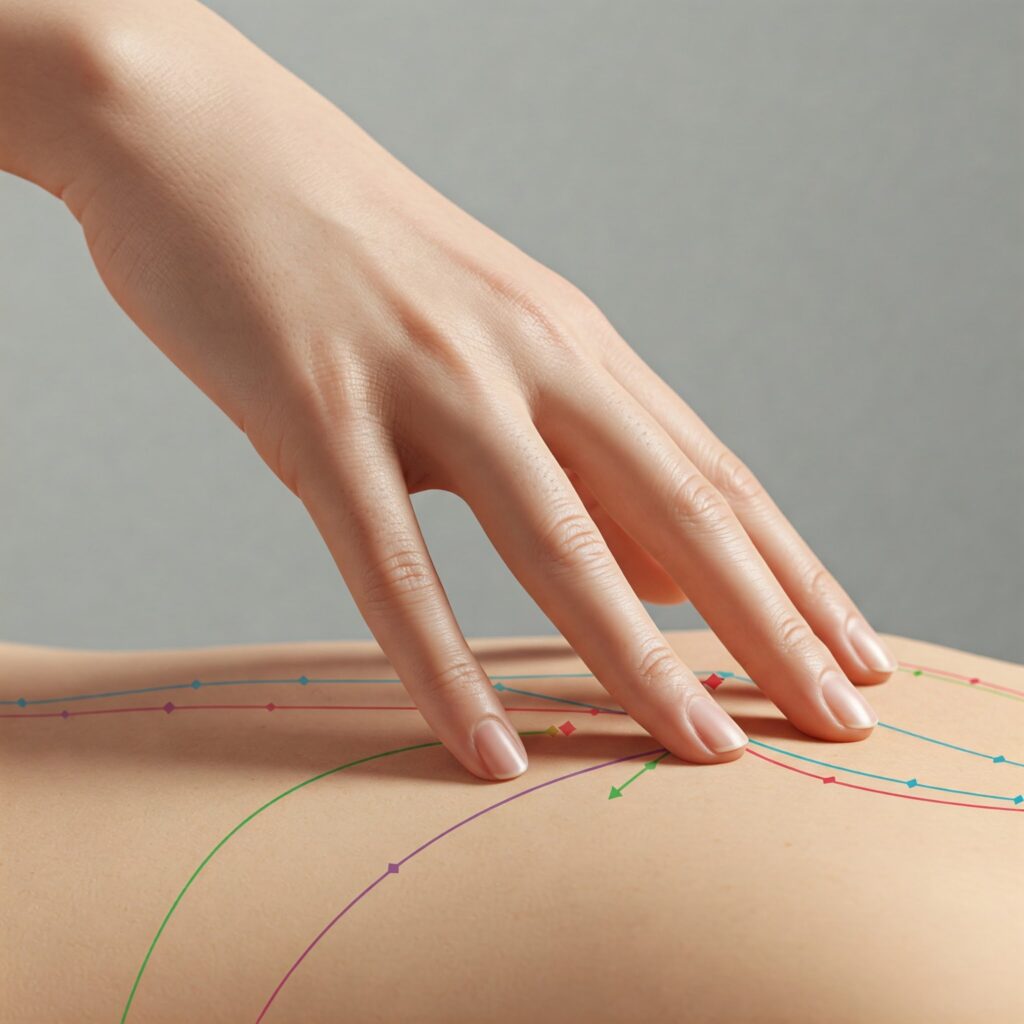
Traditional Chinese Medicine (TCM) has long recognized the body as an interconnected system of energy pathways, known as meridians.
By stimulating specific points on our hands and fingers, we can improve circulation, relieve stress, and support the body’s natural healing processes. This gentle yet powerful practice requires no special tools—just your hands and a few minutes each day.
The Basics of Reflexology and Acupressure
Reflexology and acupressure are based on the concept that various points on the hands, feet, and body correspond to specific organs and systems. When these points are gently pressed, they help release blocked energy, improve circulation, and restore harmony.
Reflexology focuses on applying pressure to reflex zones on the hands and feet that are linked to different organs.
Acupressure is similar to acupuncture but uses fingers instead of needles to stimulate meridian points and restore energy flow (Qi) in the body.
Both methods are non-invasive, deeply relaxing, and can be easily integrated into your daily routine.
Simple Hand Reflexology and Acupressure Techniques
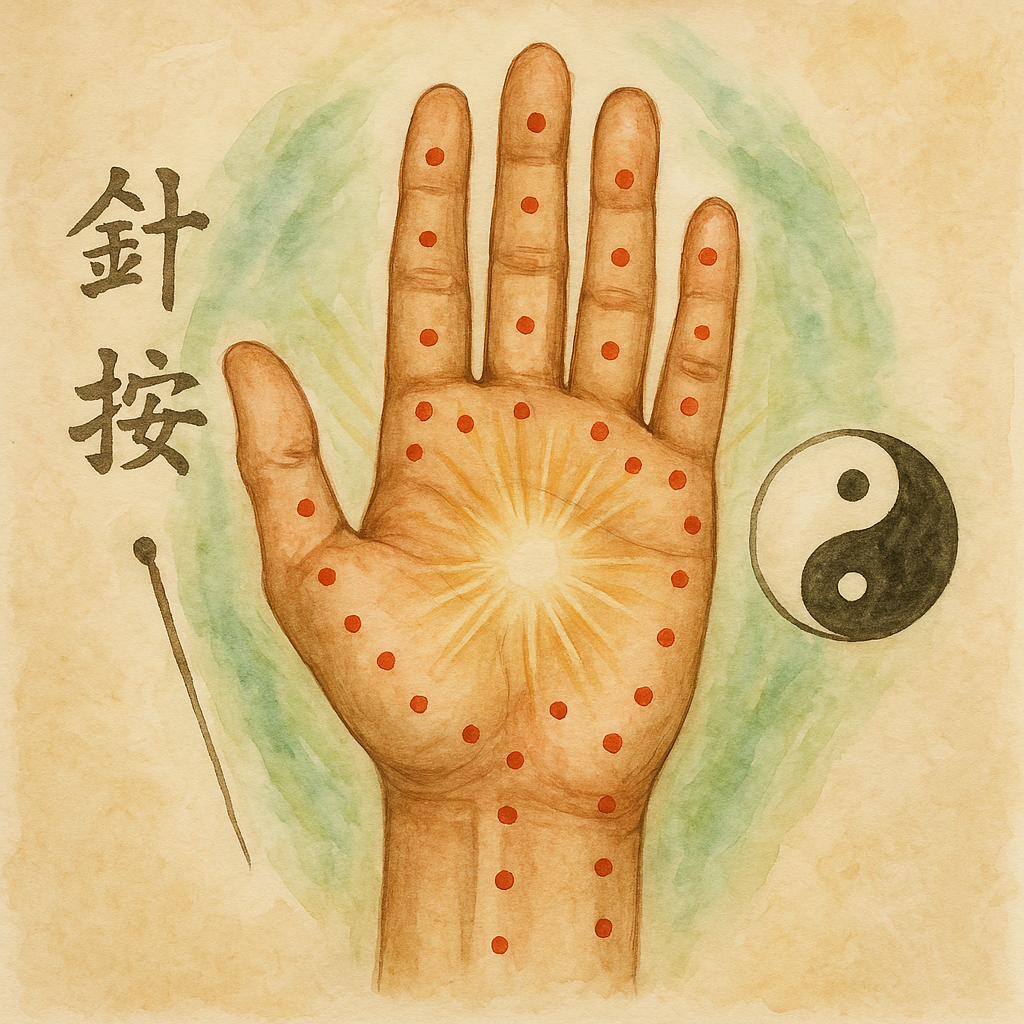
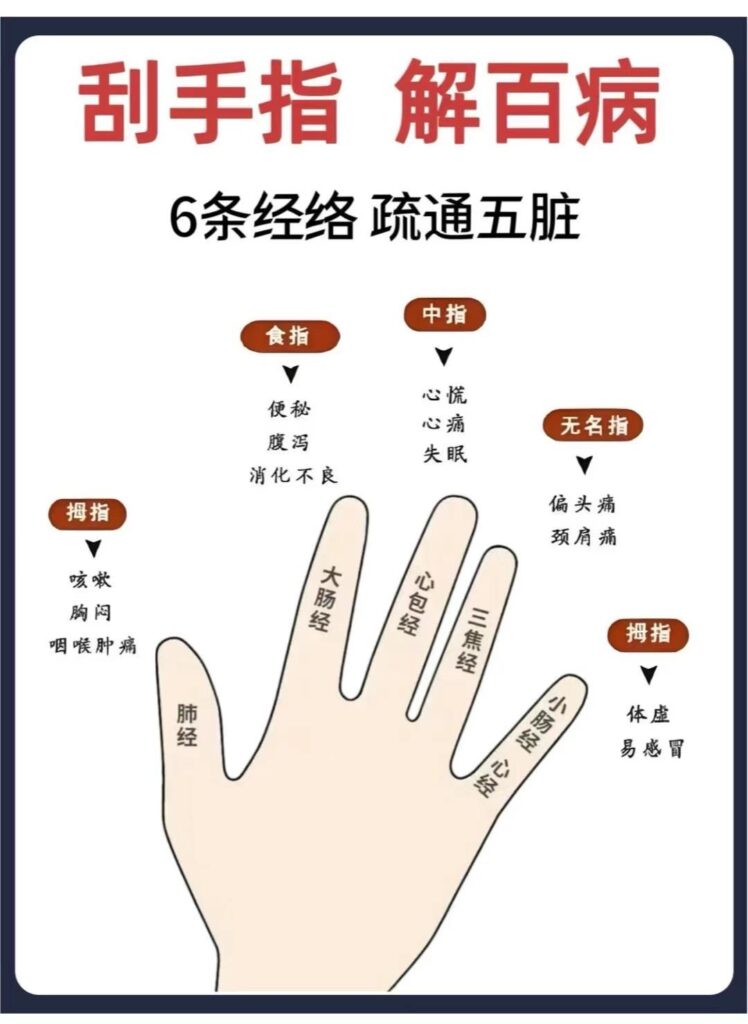
Your hands are a mini-map of your body, making them a convenient and effective place to practice reflexology and acupressure. Here are some easy ways to promote good health using just your fingers:
1. Reducing Stress and Anxiety
Gently press and massage the center of your palm using the thumb of your opposite hand for 30-60 seconds. This point is linked to the heart and solar plexus, promoting relaxation and emotional balance.
The space between the thumb and index finger (LI4 or Hegu point) is an important acupressure spot for relieving stress, headaches, and tension. Apply firm pressure for a minute on each hand.
2. Boosting Digestion
To support digestion, massage the area near the base of your thumb. This area corresponds to the stomach and intestines, helping with bloating and sluggish digestion.
Pressing the center of the palm (linked to the stomach and digestive organs) in small circular motions can help relieve nausea and discomfort.
3. Easing Headaches and Eye Strain
Massaging the tips of your fingers stimulates circulation to the brain and eyes, relieving headaches and reducing eye strain caused by screen time.
The point between the index and middle finger joint is effective in alleviating tension headaches.
4. Enhancing Immunity and Energy Levels
The fingertips, especially the thumb and index finger, are associated with the lungs and respiratory system. Massaging these areas can help improve immunity and enhance breathing.
The pericardium point (located in the center of the wrist) is excellent for reducing fatigue and revitalizing energy levels.
5. Improving Sleep Quality
The base of the pinky finger corresponds to the heart and emotions. Gently massaging this area before bedtime can help calm the mind and encourage restful sleep.
The Shen Men point (on the palm near the wrist) is known as the “Spirit Gate” in TCM and helps in soothing the nervous system for deep relaxation.
How to Incorporate These Practices into Daily Life
The best part about reflexology and acupressure is that you can do them anytime, anywhere. Here are some easy ways to include them in your routine:
Morning Boost: Start your day with a quick hand massage to stimulate circulation and awaken your senses.
Midday Relaxation: Take a short break at work or during study sessions to press the stress-relief points on your hands.
Before Bed: A gentle hand massage can help you unwind and prepare your body for deep, restful sleep.
The best part?
You don’t need any special equipment—just your hands and a few minutes of mindful self-care.
Try these techniques today and experience the healing power of touch at your fingertips!
CAVEAT: The above health information and related linked pages are for your educational purpose only and not a medical advice. If you are in doubt, please consult certified medical doctor or qualified TCM physician for detailed examination of the stated information.
The Prototype Medication Query chatbot was implemented using Smojo.Ai.
It is a specialized application that assists users in obtaining information about various medications, usage, dosage, side-effect (if any) through the works of “A Personal Health Advisor” named Annie Wonderful/Johnnie Wonderful.
She/He has an add-on SmartMed wellness rap, that reminds her/his clients after they have recovered from common ailments like fever and aches through selected prompt keywords entered into the chatbot.
The Smartnet chatbot provides guidance on commonly asked health queries, tips like nutrition, vitamin supplements, yoga and medication related questions.
Annie/Johnnie hopes to inspire others by sharing her/his own transformation story from a fat and depressed young woman/man to a healthier and beautiful/fabulous self with a successful career as a Health Keynote Speaker, Personal Health Advisor, besides her/his other professions, as Dance Artist, Rapper and Music Producer.
CAVEAT: The above health information and related linked pages are for your educational purpose only and not a medical advice. If you are in doubt, please consult certified medical doctor or qualified TCM physician for detailed examination of the stated information.
CAVEAT: The above health information and related linked pages are for your educational purpose only and not a medical advice. If you are in doubt, please consult certified medical doctor or qualified TCM physician for detailed examination of the stated information.